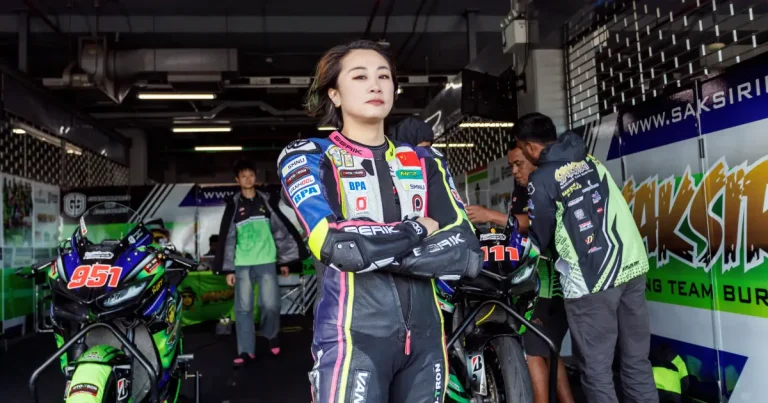
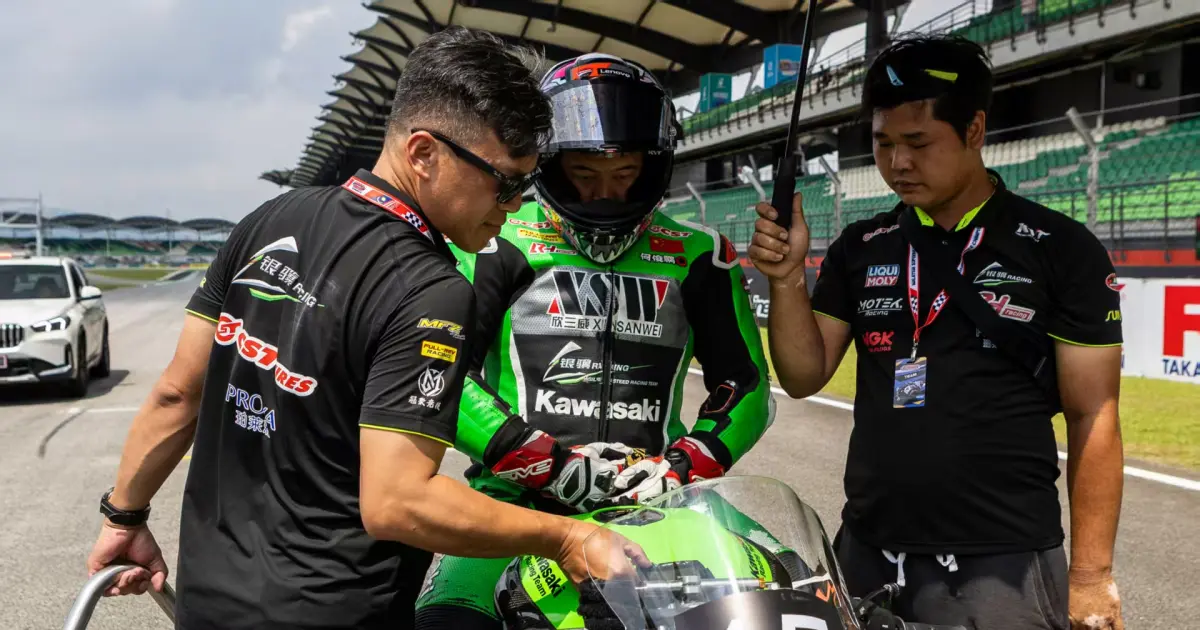
MSBK Round 1 overlapped with another racing event in China, so the team headed into the weekend with a small but highly focused crew. Supporting rider JP throughout the event was race engineer Steve.
From machine setup and data analysis to reacting to sudden weather changes, the team faced constant pressure behind the scenes. This time, we look back at MSBK Round 1 from Steve’s perspective.
Race Engineer Steve
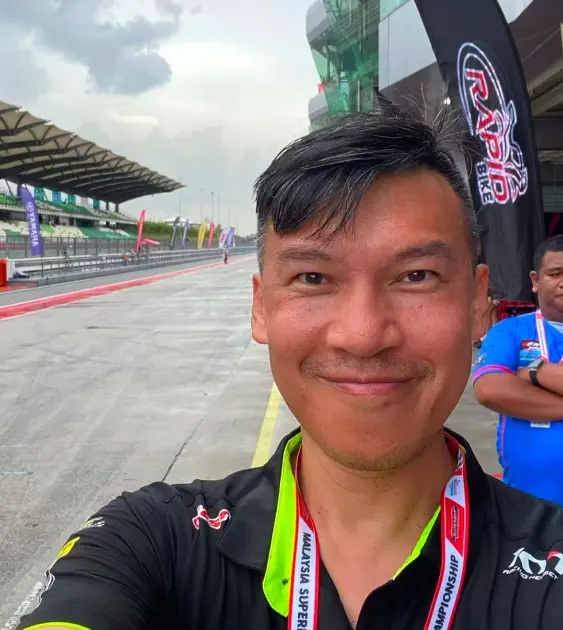
Joining the team for the event was race engineer Steve. At every major race, he supports bike setup from both data analysis and rider feedback, making him an incredibly reliable part of the team.
He also supported JP throughout this MSBK round and played a big role in helping him continue improving his personal best lap times.
MSBK Round1
── What was the biggest moment of the race weekend for you?
Without a doubt, Race 1.
We had checked the weather radar before the start, but it began raining before the rider had even completed half a lap after leaving the pit.
By the time we were waiting in the starting grid area for the bike to return, it was already pouring heavily.
I left mechanic Man at the grid to remove the tires while I sprinted back to the pit to grab the rain tires.
“We might not make it in time.”
Right before the start, the pit was filled with extreme tension.
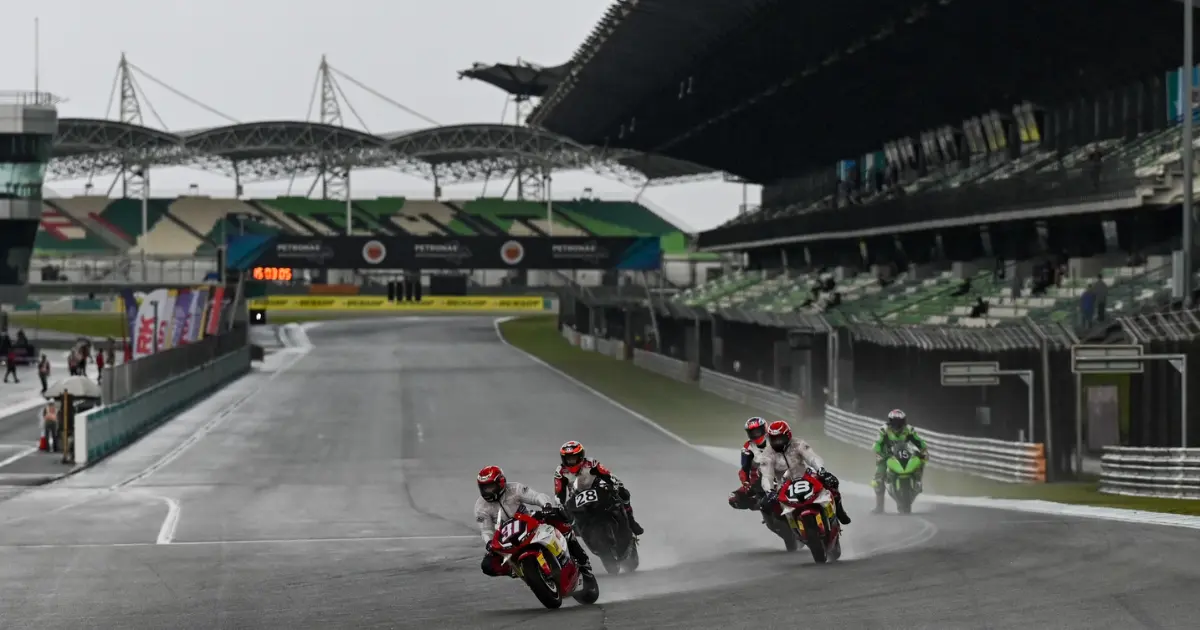
The weather conditions deteriorated rapidly from the very beginning of Race 1. Thunder could even be heard through the live broadcast, and the screen was almost completely covered by heavy rain.
The race was eventually red-flagged. Even after the restart, many viewers were worried because JP still hadn’t appeared, but behind the scenes the team was rushing through an emergency tire change.
The sudden weather change instantly turned the pit into complete chaos.
── What kind of feedback did the rider give about the bike, and how did you respond to it?
During this race weekend, most of our time was spent figuring out how to communicate effectively with the rider and continuously making adjustments.
Since this was our first time working together, we spent a lot of time focusing on how the rider could clearly and concisely explain what he was feeling on the bike.
Although rider JP has limited experience in the MSBK 600 class, he has extensive experience riding both 1000cc machines and smaller domestic-class bikes at this circuit, which helped a lot.
From the very beginning of practice, he pointed out that the rear response was too aggressive on corner exits. That became the main area we focused on throughout the setup process.
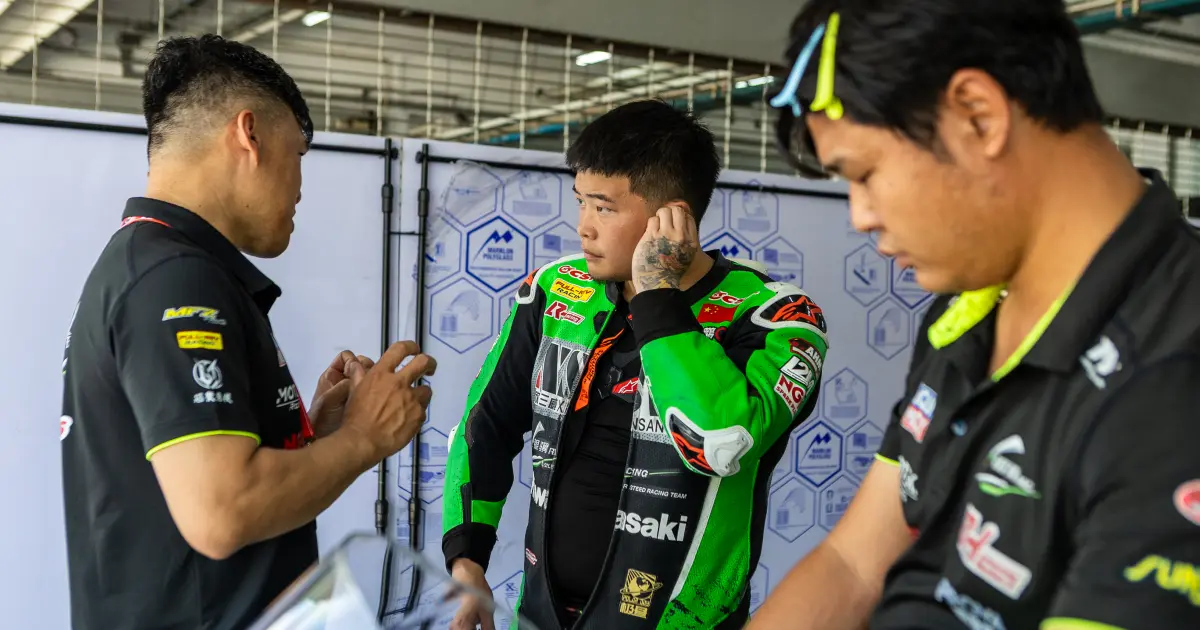
JP also mentioned that sometimes he gave too much information, which could create confusion and waste valuable time.
Communication inside the pit during a race weekend is very different from normal conversation, and it really reminded us how important it is to communicate accurately and clearly.
── What did you focus on most in terms of preparation and setup to successfully finish Round 1?
Because we had detailed discussions with the mechanics before the event, we brought extra data loggers and spare parts this time.
The night before practice, mechanic Bit Wai Man, rider JP, and I worked through the night installing parts.
The data collected here will become an important key for future machine development.
The area we spent the most time adjusting was the front and rear suspension setup.
The bike balance was significantly off from the start, so we combined the parts we had with several setup patterns and had JP test them repeatedly during warm-up and both races.
We did everything possible to stabilize the lap times.Thanks to JP’s physical and mental toughness throughout the weekend, we were able to successfully finish the races.
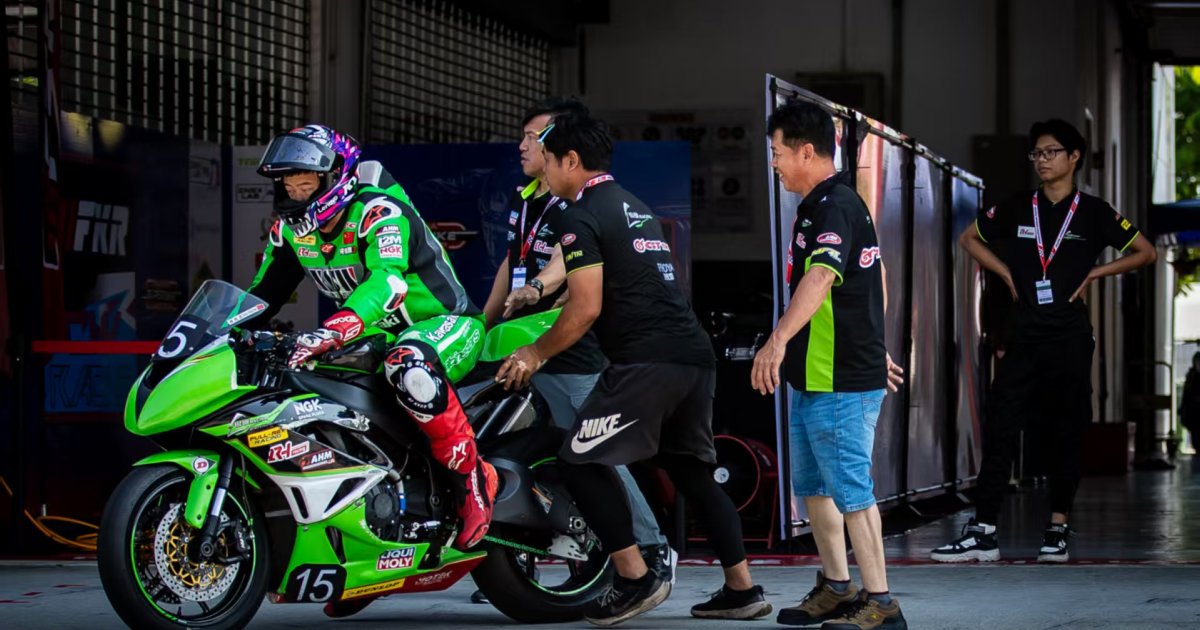
I believe those steady setup adjustments are also the reason he was able to continue improving his PB lap times.
It was truly the combined effort of the race engineer, mechanic, and rider all working together.
── If you had to rate the overall bike preparation out of 100 points, what would you give it?
Probably around 75 points (laughs).
When we first received the bike, the suspension settings were extremely far from where they should have been.
Other than that, though, the mechanics did a perfect job preparing the bike before practice and before every session. Mechanic Man was incredibly reliable throughout the weekend.
── What would you like to improve before the next round, and what are your goals?
First, we need to finalize the bike package for the next round and prepare more suspension springs and setup parts.
That will give us a much wider adjustment range.
Also, during the roughly two months before Round 2, we’ve prepared an intensive gym training program for the rider.
Whether or not we can break into the 2:20 range in Round 2 will depend on that training.
Hopefully we can achieve that goal (laughs).
The machine, the rider, and the team.
There are still many areas to improve, but the experience gained in Round 1 will definitely lead us forward.
Round 2 will take place from July 10–12, 2026.
Silver Steed Racing Team’s challenge continues.
Thank you for your continued support.