
What Did JP & Alen Learn in Malaysia, and How Did It Change Their Riding at MSBK R3?
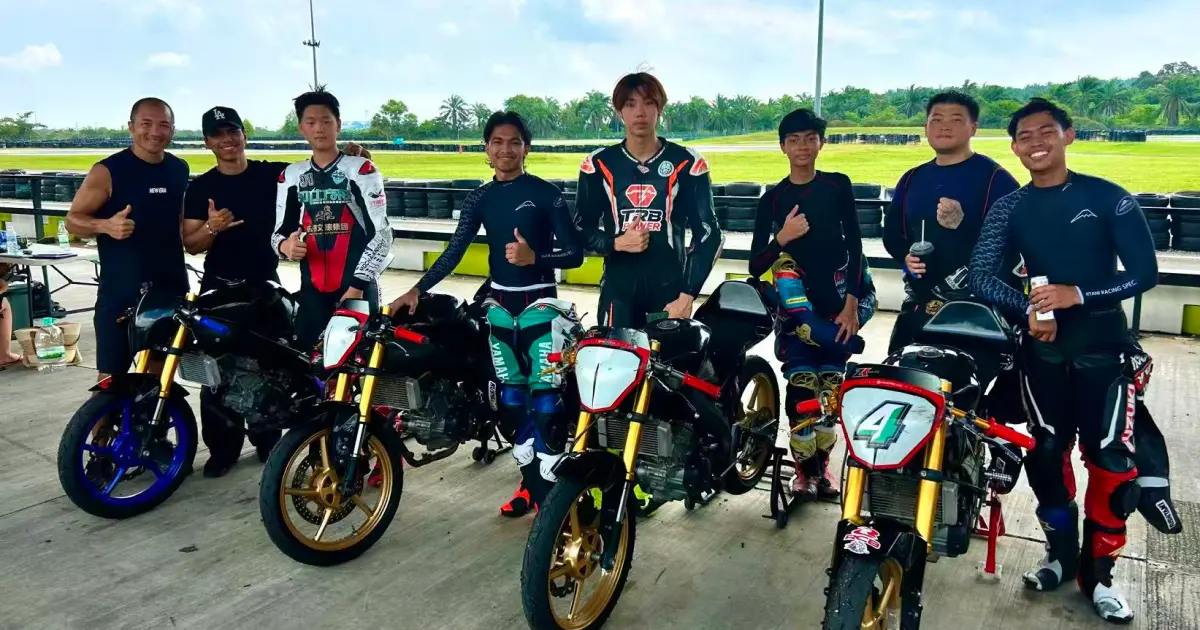
From July 31 to August 2, 2026, the Malaysia Superbike Championship (MSBK) Round 3 was held at Sepang International Circuit in Malaysia.
Silver Steed Racing Team (銀驥車隊) entered the event with 何俊鵬 (JP) in the 1000B class and 歐陽俊義 (Alen) in the 250A class.
At R3, both riders set new personal bests (PBs). But these results were not created over a single race weekend. After R2, both riders stayed in Malaysia and completed approximately three weeks of training under ZK Racing.
The challenges they were given were slightly different from what they had identified themselves.
JP believed his main weakness was maintaining his pace over a long distance. Alen thought he lacked aggression. But from the coaches’ perspective, there was more to work on.
Identify the weaknesses you cannot see yourself. Train them.
Then take what you have learned and put it to the test in an actual race.
For JP and Alen, MSBK R3 became an opportunity to see how that training could translate into real performance.
Why Did They Stay in Malaysia After R2?
At MSBK R2, JP had a chance to fight for a podium finish. However, he crashed in Race 2, leaving him with unfinished business heading into R3.
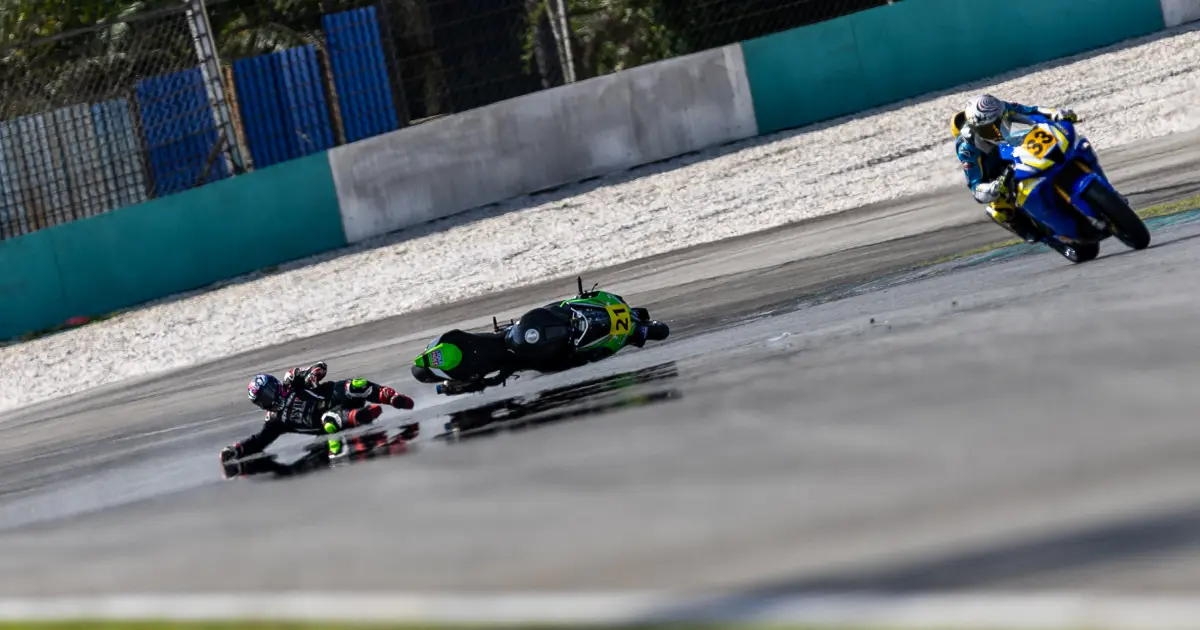
Instead of returning home, JP and Alen chose to stay in Malaysia and continue their training.
Under ZK Racing, they trained in environments that were different from what they were used to, riding alongside Malaysian riders. They repeatedly worked on fundamental bike control through Dirt Track, Pit Bike, and a go-kart circuit, while also carrying out more race-oriented training on the circuit.
The purpose was not simply to “ride faster.”
It was about having their riding objectively evaluated and identifying weaknesses they might not have been able to see on their own.
JP|He Thought His Weakness Was “Long-Distance Pace”
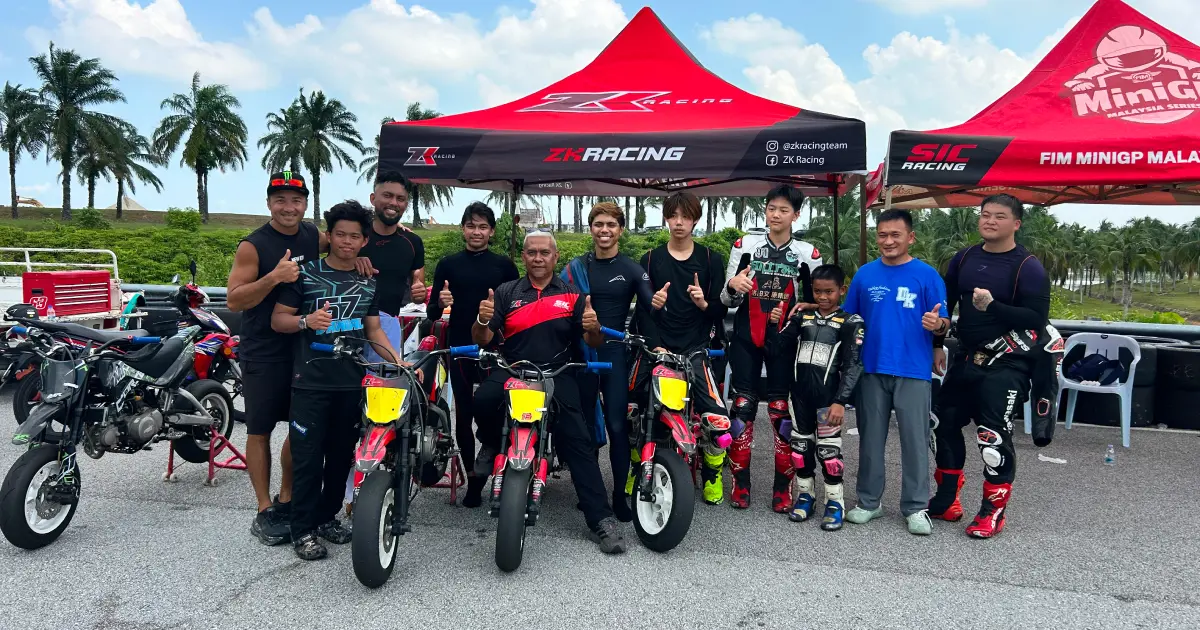
Before the training began, JP identified maintaining his pace over a long distance as his main weakness.
My long-distance pace. For example, if it’s a 10-lap race, my rhythm starts to drop around lap seven.
However, the coaches saw more than that. They identified concentration, comprehension, communication, and mindset as areas that also needed attention.
At first glance, these may not seem directly connected to lap times. But to maintain a consistent pace throughout a long race, a rider needs to understand what is happening, recognize his own condition, communicate what is needed with the coaches, and make decisions without rushing.
For JP, this training was not simply about learning how to ride faster.
It was training to take the next step as a racing rider.
“The More You Rush, the More Counterproductive It Becomes”
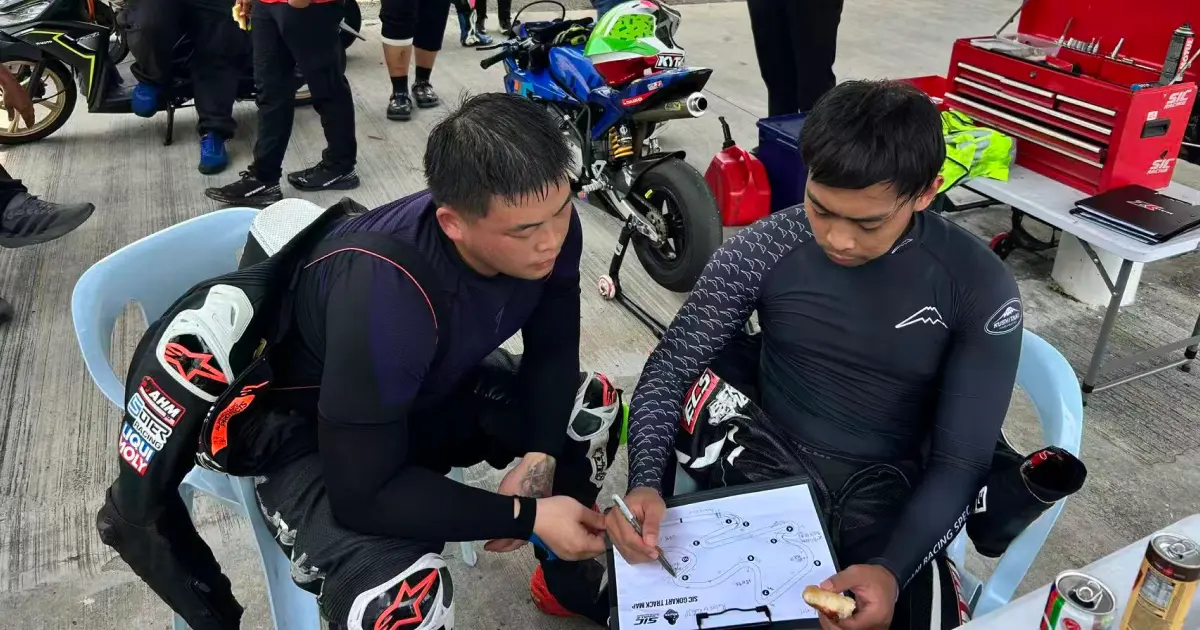
For his long-distance pace, JP worked on bicycle training. For concentration, he was introduced to training focused on the nervous system. And for his mindset, Adam Norrodin (@adamnorrodin07) gave him advice on how to approach an entire race weekend.
For example, rather than pushing hard from the beginning of the first free practice session, the goal was to stay relaxed and complete the entire session. The pace would be around 70–80% of his PB.
Find the problems during that session, make adjustments to the bike, and then push harder in the second session.
It was a different approach from the idea that you have to be fast from the very first lap.
Adam and Jack Ao Ieong (Team Manager) also gave him another message:
Whatever the situation, the more you rush and the harder you push, the more counterproductive it becomes. Enjoy it, relax, and enjoy the present moment.
Keeping this advice in mind, JP focused on completing every training session and maintaining his concentration throughout.
He also made a conscious effort to communicate more actively with the coaches, asking questions and taking the initiative rather than simply waiting for instructions.
The training became an exercise in maintaining mental focus.
During this training period, my head was much more tired than my body.
Alen|What He Lacked Was “Aggression”
Alen, meanwhile, believed his biggest weakness was a lack of aggression.
But the coaches saw things slightly differently.
You are already riding smoothly. You just need to add aggression to that.
Alen already had the ability to ride calmly and move the bike smoothly. What he needed was to maintain those strengths while learning to push harder when the situation demanded it.
It sounds simple when put into words.
In reality, it was not.
Alen experienced that difficulty almost immediately before R3.
I tried to be too aggressive and crashed during R3 Practice 1. (laughs)
Maintain your composure while adding aggression. Finding that balance became Alen’s next challenge.
Learning How to Attack from Malaysian Riders
The two riders gained more than just coaching during their time in Malaysia. Riding alongside Malaysian racers and watching how they approached racing up close became an important part of the experience.
For Alen in particular, one of the biggest impressions was the racing style of Malaysian riders.
Before the training, he had heard that some Southeast Asian riders were extremely aggressive and willing to take dangerous risks in order to overtake.
But after actually riding with them, his impression was completely different.
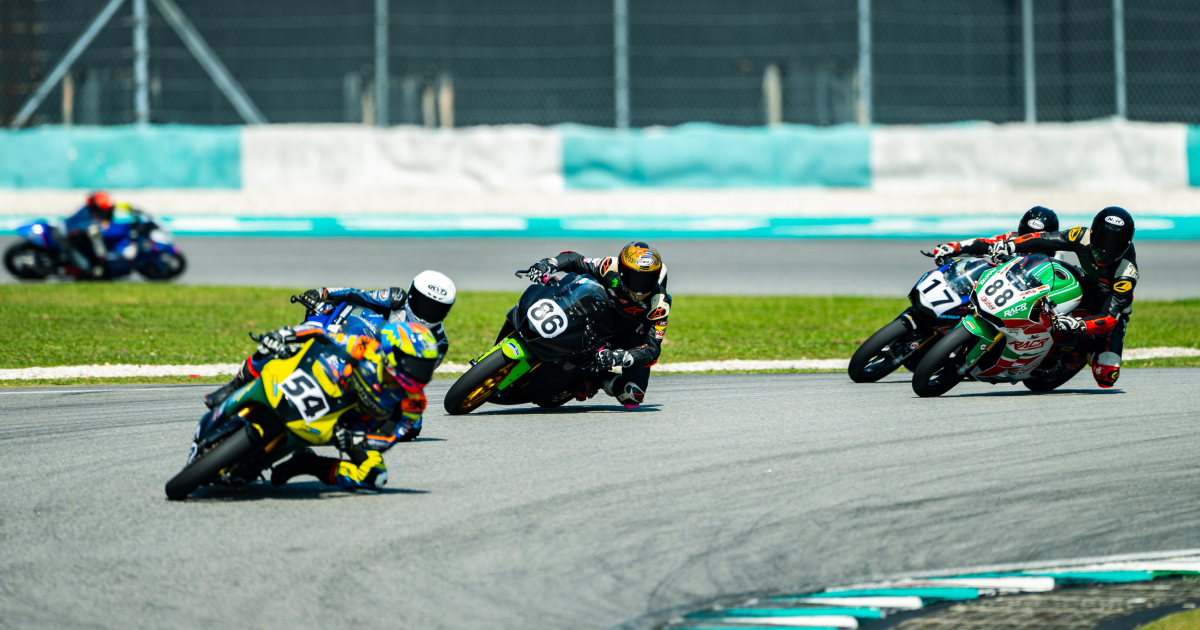
They were much more refined than I expected. They don’t force things. The faster riders, especially at the top level, the less desperate they are to make an overtake. They have the composure, control, and stability to wait for the right opportunity.
The fastest riders do not simply attack aggressively at every opportunity. They read the situation, wait for the right moment, and make their move when the opportunity comes. The “aggression” Alen learned through this training was not simply about opening the throttle harder or forcing an overtake.It was about being able to stay calm while taking that extra step when it was necessary. That, too, is an essential skill for a racing rider.
Why Do They Keep Racing Despite Everything They Have Been Through?
For JP, it was not only the riding of the racers that left a strong impression during the training.
It was seeing the large scar on the calf of Danial Shahmi (@danialsyahmi57).
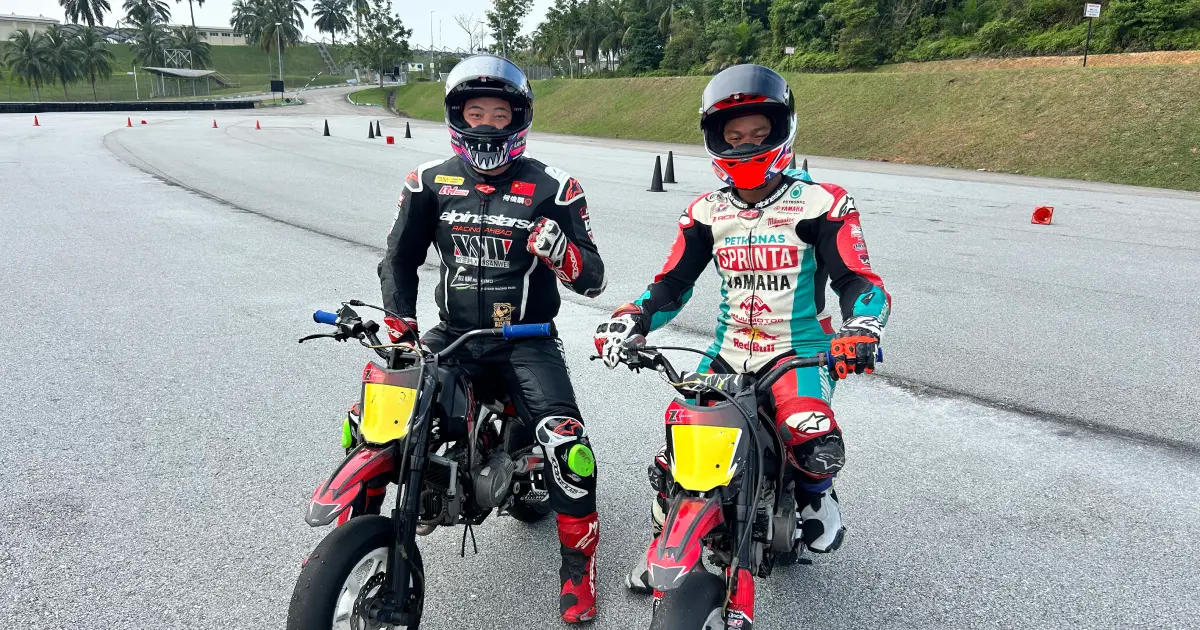
I looked at it once and immediately closed my eyes. I couldn’t imagine how he chose to continue racing after suffering an injury that had affected his physical ability so severely.
JP himself crashed on the first day of training and injured his little finger. It was painful, but he continued with the training.
The injuries they had suffered were much worse than mine. Seeing that made me feel that I had no reason to stop.
Seeing riders return to their bikes after serious injuries and continue competing at a high level left a deeper impression on JP than technical knowledge alone.
It was a reminder of the determination behind racing.
A Different Relationship with the Bike
Then came R3.
Looking back on the training, JP says one of the biggest changes was that the coaches focused less on body position itself and more on his sensitivity to what the tires were telling him.
Before, when the bike started to lose control, slide, or when the front lifted, I felt like I couldn’t control the bike. Now I feel more confident controlling it than before
His use of the rear brake also changed.
I use the rear brake more than before. I use it to control the movement of the bike, both on corner entry and on corner exit.
What he learned during training gradually began to translate into his actual riding. And at R3, he was able to see that change reflected in his results.
MSBK R3|Putting the Training to the Test
At R3, JP set a new personal best, beating the target lap time he had set for himself in Race 2.Alen also set a new personal best.
It is not as simple as saying that they trained and immediately became faster.
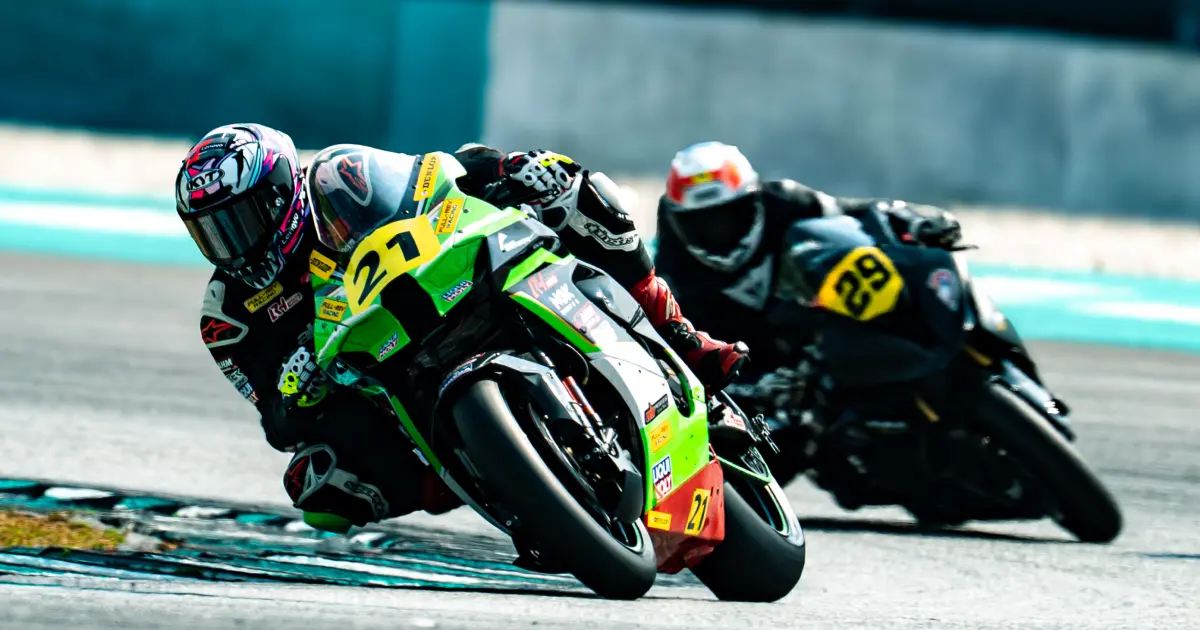
They identified their weaknesses during training. They worked on them repeatedly. Then they took those skills into the pressure of an actual race and tried to use them.
The PBs at R3 came from that accumulation of work.
For Alen, R3 was also an opportunity to put the experience he gained in Malaysia into practice.
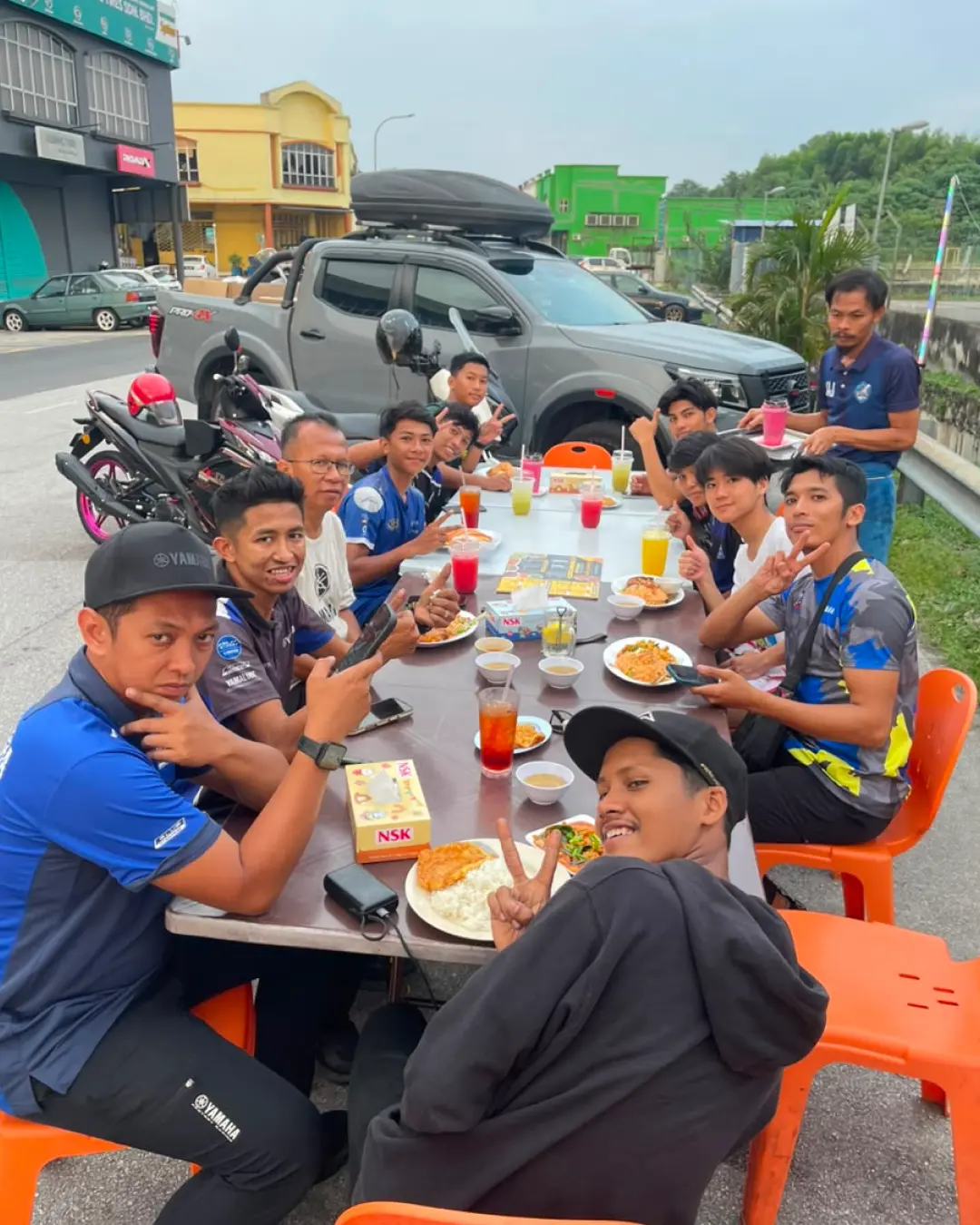
I got to know more people and made more friends, and it became really fun riding together.
His connections with the riders he trained with in Malaysia also grew. Riding in groups and battling alongside other riders became practical training in maintaining composure while knowing when to be aggressive.
They Identified the Problems. They Learned How to Train Them.
The training in Malaysia was not simply about riding lap after lap around a circuit.
Dirt Track. Pit Bike. Go-kart circuit.
By riding in different situations, they worked on bike control and decision-making. They also had opportunities to interact with and ride alongside Malaysian riders, while receiving specific feedback from their coaches and confronting their individual weaknesses in each environment.
And importantly, not everything they learned can only be practiced in Malaysia.
The weaknesses they identified and the training methods they were taught can be taken home and practiced again.
They identified the problems.
They learned how to train them.
Now, it is about continuing to improve.
The PBs JP and Alen set at MSBK R3 are only the first results of that process.
Next up is MSBK R4.
With the experience gained in Malaysia brought back home, JP and Alen will continue working on their riding and taking the next step forward.
The next chapter is already underway.