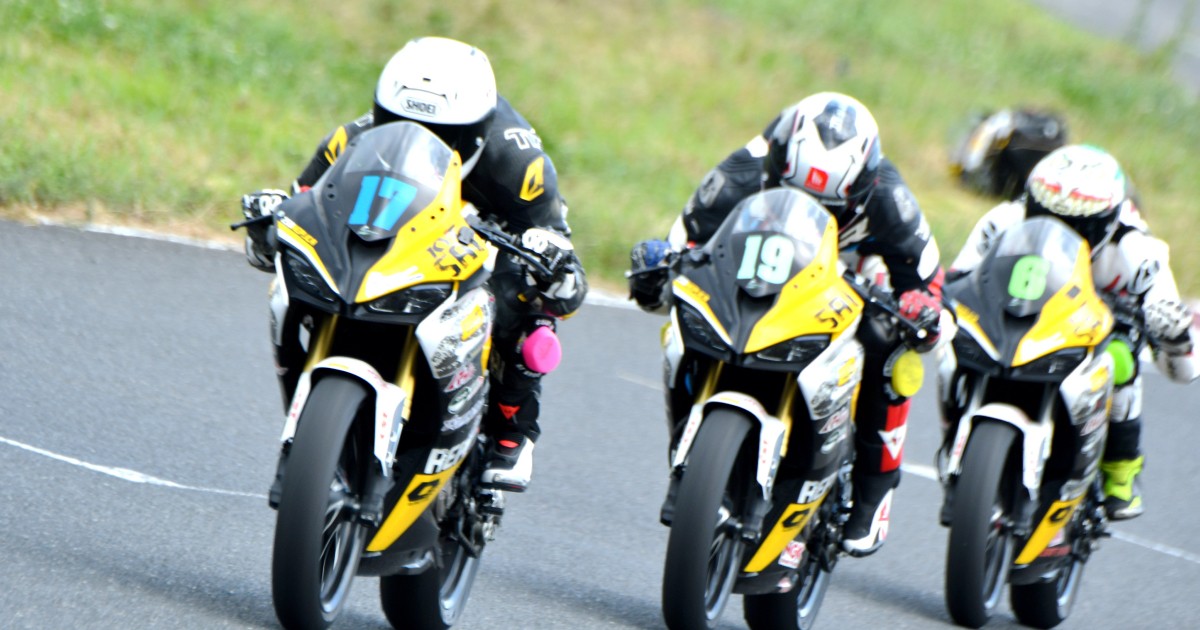
The 2026 CST Cheng Shin Tire Motorcycle Culture Carnival – Guiyang Round was held on August 22–23, 2026. Three riders from the Hong Kong-based team Energymoto18 took part in the event, each competing in different classes and facing their own challenges on the track.
We also had the opportunity to interview all three riders and hear about their individual experiences, challenges, and takeaways from the weekend.
Challenges from Hong Kong
Three riders from Hong Kong's Energymoto18 team competed at this event.
Sam and Pui entered the QJMoto 250 class, while Sam and Yin competed in the CFMoto 500 class. Sam took on both the 250 and 500 classes, achieving podium finishes in both and delivering an impressive performance.
Sam | Taking on Two Different Classes
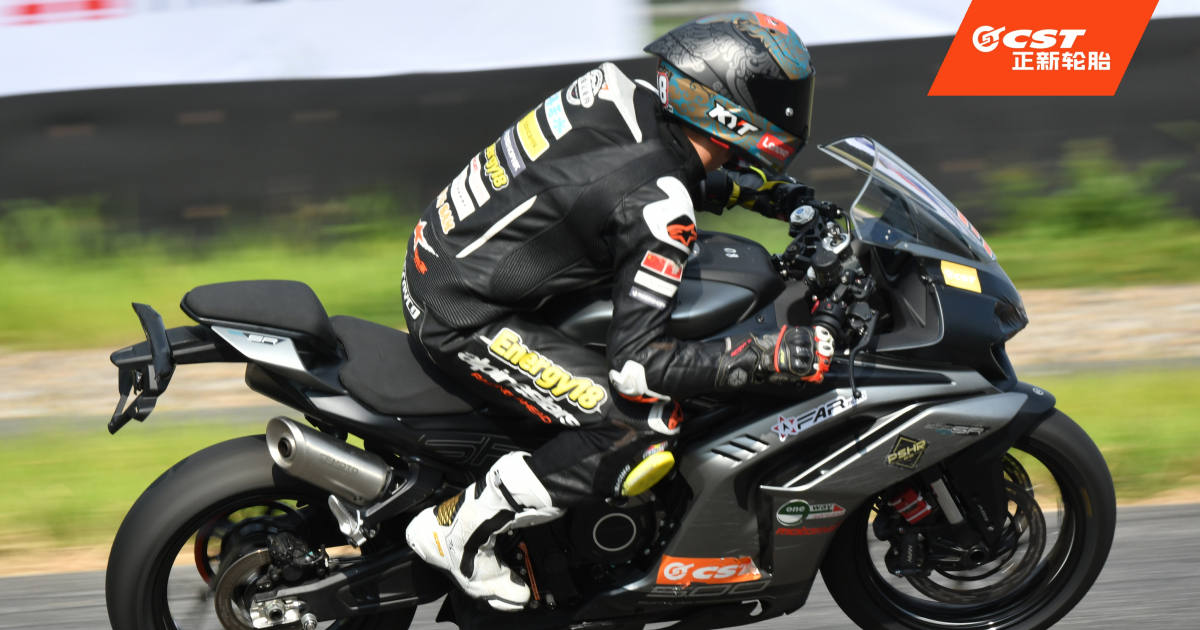
Competing in both the 250 and 500 classes gave Sam a firsthand understanding of the differences between the two bikes.
The 250 is lighter and has less power, so there's more time to prepare your body position and make decisions. The 500 has much more power and weight, so you need to be careful with every decision and movement.
I look for reference points around the circuit to avoid making major mistakes. As long as I stay focused, I can gradually push forward.
The 250 is lighter and less powerful, giving him more time to prepare his body position and decide on his next move. The 500, on the other hand, has considerably more power and weight, requiring greater care in both judgment and execution.
When switching between the two classes, Sam places particular importance on identifying reference points around the circuit to avoid major mistakes. By staying focused, he can gradually build his pace.
Racing can be quite nerve-racking, but when I think about all the close-contact practice sessions at Silver Steed's Zhongshan circuit, I feel less afraid and can keep pushing forward.
The close-contact riding practice he regularly takes part in at Silver Steed's Zhongshan circuit has also become an important source of confidence when facing the pressure of actual competition.
Pui | The Value of Racing Alongside Skilled Riders
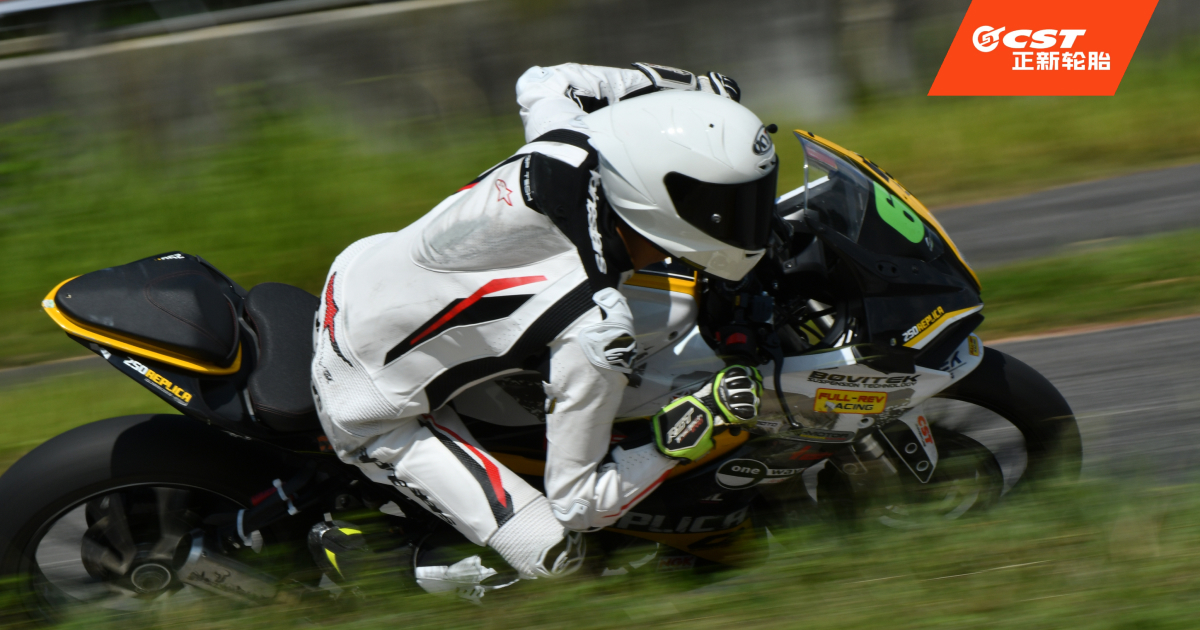
For Pui, the most memorable part of the Guiyang round was not necessarily the circuit itself, but the opportunity to compete alongside a group of highly skilled riders.
The best part was getting to ride and compete with such a talented group of riders. It was a really enjoyable experience.
As this was his first time racing at Guiyang Junchi International Circuit, T1 and T4 proved to be the two most challenging sections for him.
For me, T1 and T4 were the most challenging corners. There's a straight after T1, so the key is to get on the throttle earlier, rather than braking later or carrying more speed through the corner.
T4 was challenging because there are no clear reference points for braking. It's also a downhill blind corner, which makes it particularly difficult.
On the other hand, my favourite sections were T11 and T12. Although they look like two separate corners, they can actually be taken as one. The challenge is to get the line right without losing speed. The rear tyre also feels like it's sliding, which makes it really exciting.
Despite being new to the circuit, Pui gradually worked out how to approach each section by observing and analysing the characteristics of the corners.
During qualifying, he also completed the ride he was most satisfied with.
At that moment, I felt like everything was under control.
He eventually qualified sixth overall.
In Race 1, Pui made a good start and joined the leading group to battle for position. Unfortunately, he crashed during the race.
I could have managed my mindset better. I hope to stay calmer and make better decisions during races. This was a valuable experience. In the early stages of a race, I need to pay more attention to tyre temperature and whether the track surface, especially the red-and-white kerbs, might be slippery in the morning.
He took valuable lessons from the crash, turning what happened into specific areas to improve for future races. In Race 2, he finished fourth, bringing his Guiyang race weekend to a strong close.
I've learned that racing against more experienced and capable riders is the fastest way to improve.
Competing alongside riders with greater experience gave him the opportunity to learn more in a short period of time and take those lessons into his next race.
Yin | Taking on a New Challenge
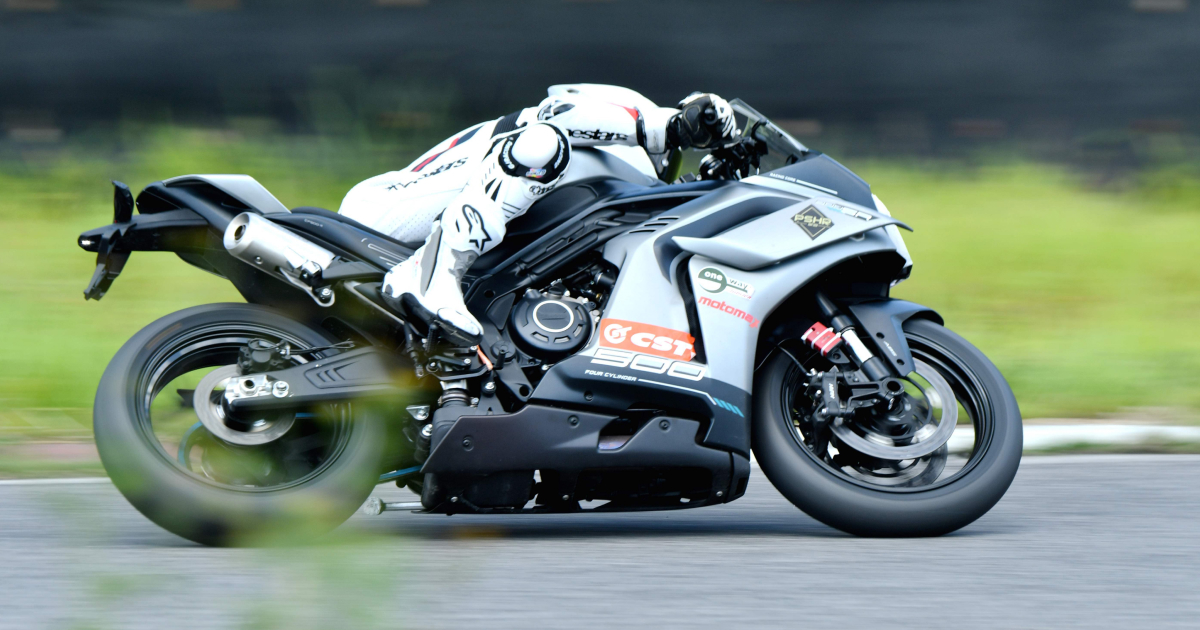
Yin had previously been practising and racing on smaller-displacement motorcycles. This time, he decided to take on the challenge of riding a larger 500cc machine.
I've always been riding smaller-displacement bikes on the track, so I wanted to experience the difference with a bigger bike.
For him, this 500cc challenge was also an opportunity to gain experience and prepare for the next stage of his development.
Once he got on the 500cc bike, however, the first thing that stood out was how different the braking felt compared with the smaller bikes he was used to.
The brakes are so powerful. It feels like I'm going to get crushed.
The powerful braking performance of the 500cc machine gave him a completely different experience of how a motorcycle responds. For someone taking on a larger-displacement bike for the first time, it was an important learning experience.
Unfortunately, an accident occurred shortly after the qualifying session began.
Not long after the session started, Yin suffered a highside crash at T1. The livestream showed him lying on the track after the incident. Fortunately, he was not in life-threatening danger and was quickly transported to the emergency department, where he was diagnosed with a fractured collarbone. He is currently receiving treatment and recovering.
— What was the first thing that went through your mind at that moment?
I won't be able to go to work, earn money, and repair my bike.
You might be tempted to ask, "Was that really your first thought?"
Yet his answer reveals a very real side of amateur motorcycle racing.
Before being a racer, he is also someone with a job and a life to maintain, including the costs of keeping his motorcycle running. This is one of the practical realities that amateur riders face when taking part in motorsport.
Looking back on the experience, Yin was also straightforward about what he felt he needed to improve.
My mindset was too impatient. I hope that gaining more racing experience will help me become more mentally stable.
The experience gave him a reason to reassess his approach. He recognised that he had been too impatient and hopes that more time on the track and greater racing experience will help him develop a calmer, more consistent mindset.
The Challenges of Racing in Mainland China as a Hong Kong Rider
Beyond the challenges on the track, what difficulties do Hong Kong riders actually face when travelling to mainland China to compete?
Silver Steed Racing also helps riders participate in racing events across mainland China. So, what is the biggest obstacle for these riders?
For Hong Kong people, getting time off work is the biggest difficulty. Holidays are the main issue. Other things are not necessarily a problem.
According to Sam, racing in mainland China is one of the more accessible options for Hong Kong riders. Communication is relatively easy because of the shared language, and they also have opportunities to compete alongside experienced riders from mainland China.
Travelling from Hong Kong to mainland China for a race might sound like a major expedition. In reality, however, the biggest obstacle is often simply getting time off work.
A race weekend is rarely limited to Saturday and Sunday.
For riders who participate in motorsport as amateurs, finding time to balance work, everyday life, and racing is itself an important part of pursuing their passion.
The Guiyang round gave us another perspective on Hong Kong riders crossing regional boundaries to challenge themselves on the circuits of mainland China.