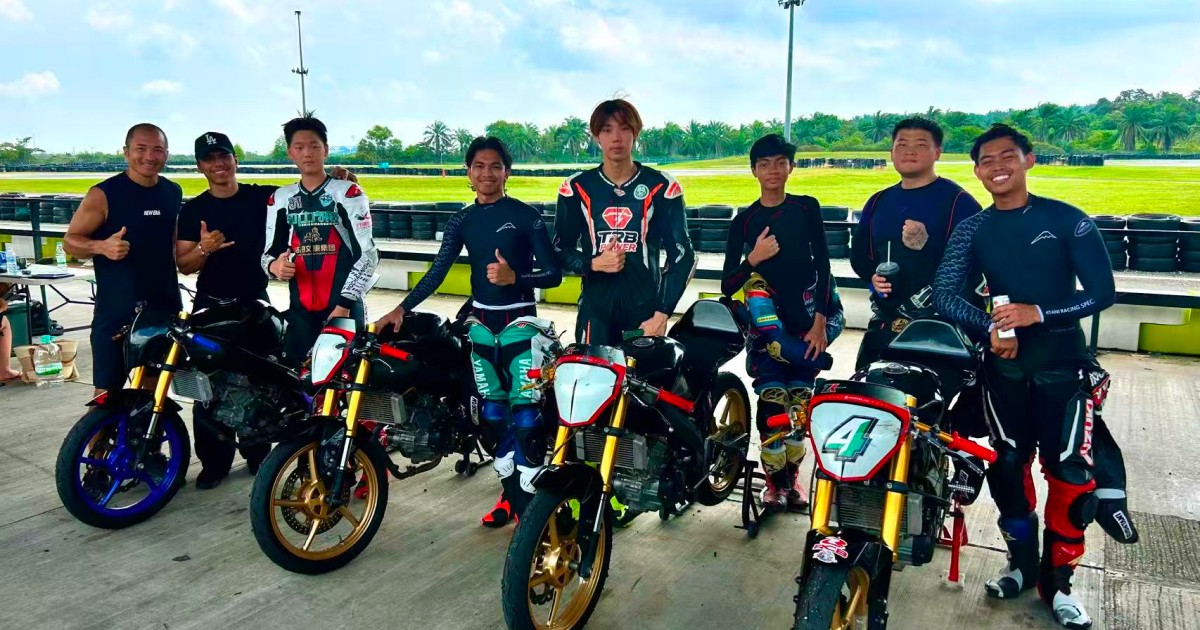
We travelled to Malaysia for an intensive training programme led by ZK Racing.
“I thought I would know my own weaknesses better than anyone.”
However, when professional coaches observe a rider on track, they often identify issues the rider may never have noticed themselves.
The three riders who joined this training programme in Malaysia each arrived with different challenges to work on. What did they discover through professional coaching? What kind of training did they undertake? And how did their riding change after the programme?
We spoke with each of the three riders to hear what they learned and took away from the experience.
MH|Rediscovering Rear Brake and Throttle Control
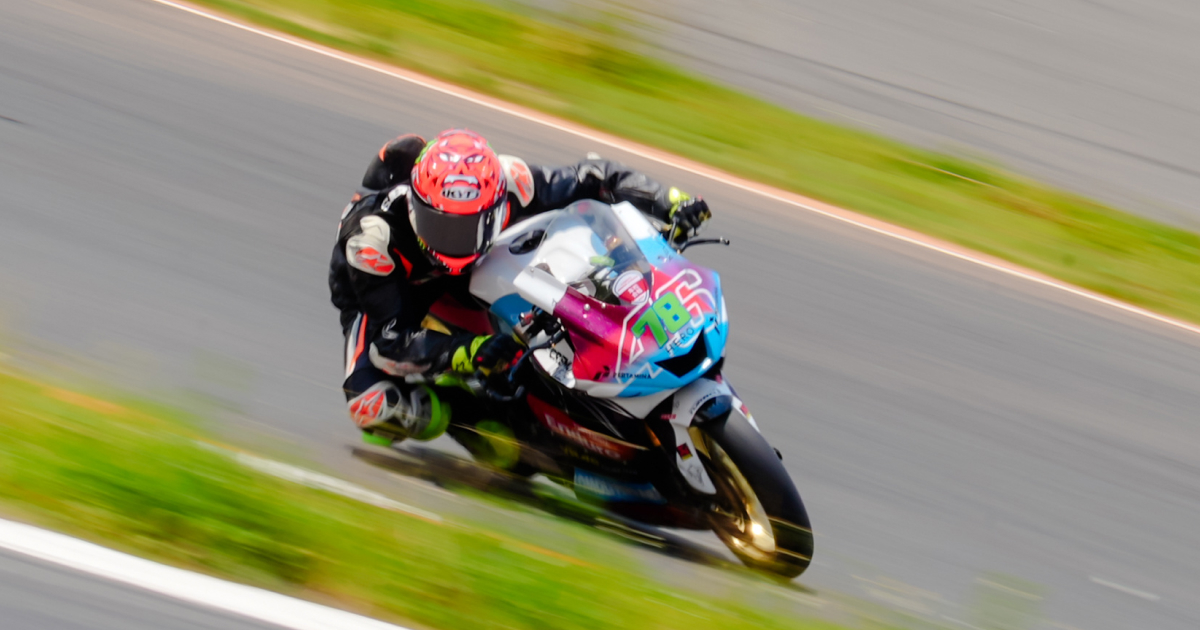
He initially thought his main weaknesses were fitness, racing lines, and throttle timing
Before the training began, MH believed he needed to improve his physical fitness, line control, and throttle timing.
However, after the coach observed his riding, two additional issues came to light that he had not paid much attention to before:
He was not making effective use of the rear brake, and his throttle control needed improvement.
The weaknesses he had identified himself were not exactly the same as those noticed by the professional coach. This gave him an opportunity to take a fresh look at his riding technique.
The coach's advice
The coach gave him some very specific advice:
Use a little rear brake when entering a corner. Be decisive with the throttle and avoid repeatedly opening and closing it.
To address these issues, MH repeatedly practised using the rear brake during Pit Bike sessions. He also worked on identifying the correct corner exit point first, then beginning to apply the throttle.
Training in Malaysia was not simply about following a fixed schedule. Each rider's individual weaknesses were identified, allowing them to focus on the areas that needed the most improvement.
It wasn't just about riding — communication and interaction were valuable too
For MH, one of the most memorable parts of the training was not just the riding itself.
Communication with the coaches was very smooth, and the Malaysian riders were very friendly. I thought they might be quite distant.
When entering a professional training environment for the first time, it is natural to wonder what the relationship between coaches and riders will be like.
In reality, the atmosphere at the training venue was very welcoming. Riders actively asked the coaches questions and received clear guidance in return. Between demanding sessions, there was also plenty of joking and friendly interaction.
The combination of professionalism and a relaxed atmosphere helped the riders engage more actively in their training.
The biggest change after training: becoming more decisive with the throttle
After completing the programme, the most noticeable improvement MH felt was that he had become more decisive with the throttle.
I can now open the throttle more decisively, going straight to full throttle in one smooth action. My lines have become tighter, and I feel my fitness has improved slightly as well.
Through repeated practice, he became more confident in applying the throttle decisively. His line control also improved, and he noticed a slight improvement in his physical fitness.
Some days during the intensive programme were more physically demanding than his usual training sessions. Even so, he completed the entire programme. The work he put in is now beginning to show in his riding.
Zhang Heyang|From Competitive Confidence to Greater Stability Through Corners
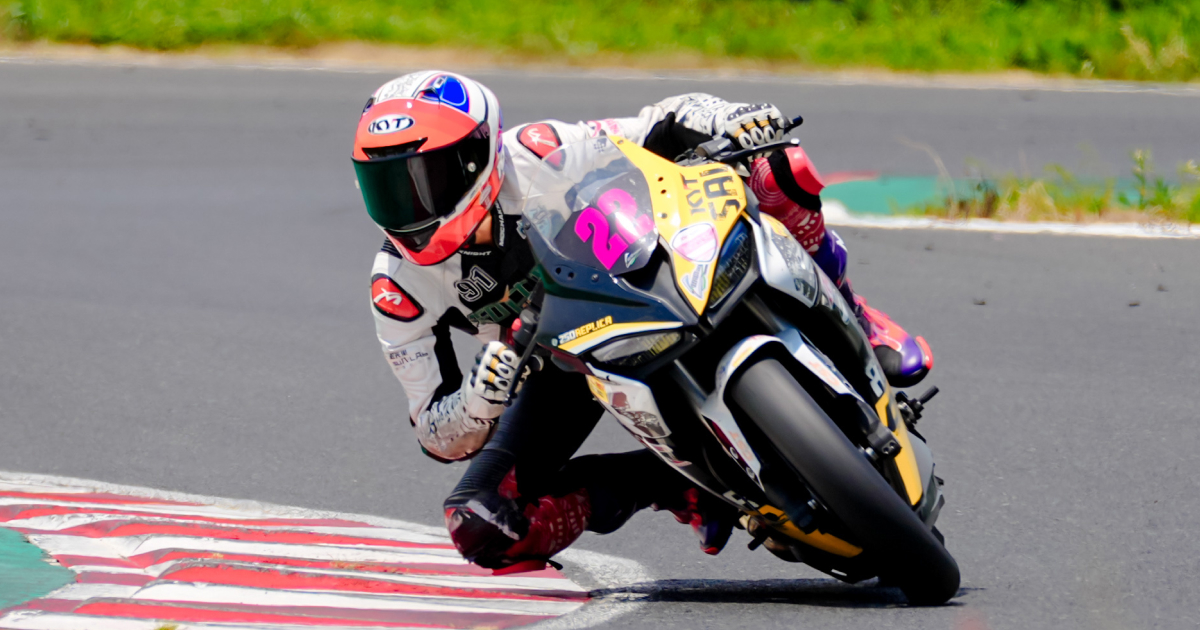
He initially believed his biggest weakness was not being aggressive enough in battles
Before joining the training programme, Zhang Heyang believed his biggest weakness was:
Not being confident enough to fight for positions.
In other words, when racing against other riders, he tended to hesitate rather than make an active move or engage in close battles.
However, when the coach observed his riding, the first issue identified was something quite different:
His riding position through corners.
He had thought that his competitive mindset was the main area that needed improvement. But after the coach analysed his riding, he discovered that his cornering posture also needed adjustment. This was something that had been difficult for him to recognise through self-analysis alone.
Starting with riding position
The coach's advice was:
Don't place your body weight too far forward.
He began adjusting his riding position through corners and also took part in practical sessions involving close battles with other riders.
Throughout the training, the coach continuously observed his riding and provided feedback. Through repeated practice, he gradually began to turn the new movements and sensations into muscle memory.
Training alongside a Moto3 rider
Another particularly memorable experience for Zhang Heyang during the Malaysia programme was the opportunity to train on track alongside Moto3 rider Hakim Danish.
Riding on the same track as a Moto3 rider was an incredible experience.
For a young rider, sharing the track with a world-class competitor is a rare opportunity. It is not just about experiencing their speed; it also allows riders to observe their riding techniques, racing lines, and rhythm at close range.
It was a valuable source of inspiration that would be difficult to find in their usual training environment.
Greater stability through corners
By adjusting his riding position, he became more stable when controlling the bike through corners.
He had initially believed that his main problem was a lack of confidence in close battles. However, from the coach's perspective, the first priority was improving his cornering posture.
Through professional observation, specific feedback, and repeated practice, he was able to identify an issue he had not previously recognised.
Liam Ao Ieong|Learning to Brake and Mastering Group Riding
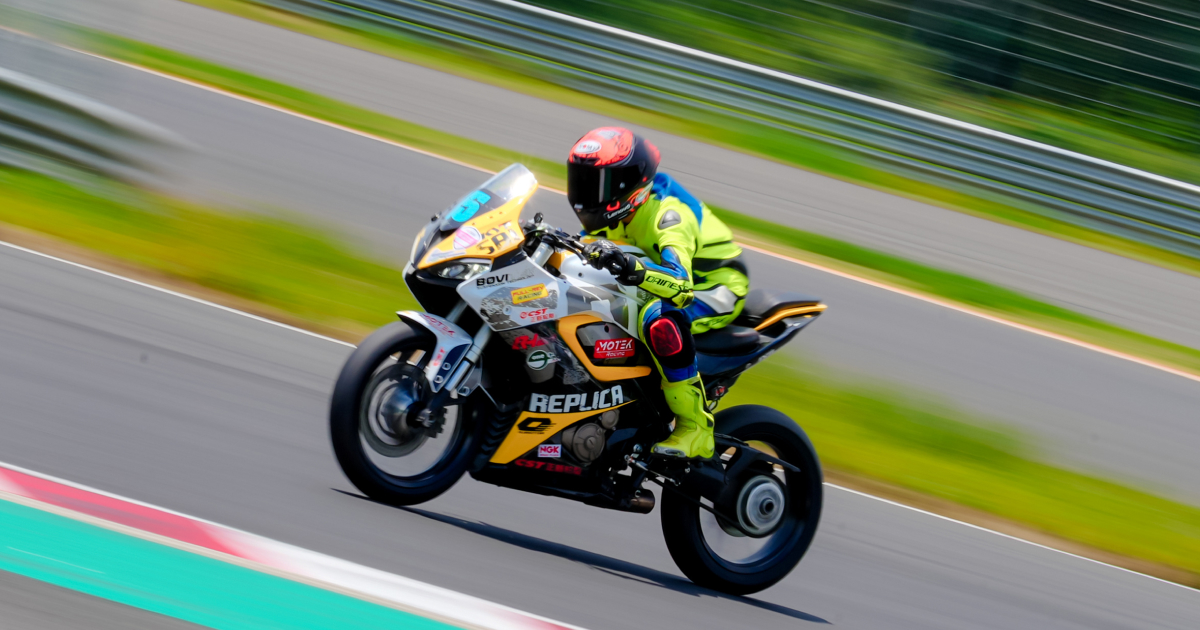
He already knew that braking was an area he needed to improve
For Liam Ao Ieong, the main issue he had identified before the training was braking.
After observing his riding, the coach also confirmed that there were areas of his braking technique that needed improvement.
However, the goal of the training was not simply to tell him to brake harder.
What the coach wanted him to understand was:
In slower corners, you need to bring your speed down properly.
When braking is necessary, riders need to apply the brakes more decisively and reduce their speed to the appropriate level before entering the corner. This became one of the most important lessons Liam took away from the programme.
Repeated practice focused on braking
To improve this area, Liam concentrated on braking and repeated the exercises over and over.
I kept focusing on braking and practising it repeatedly.
The training programme covered a wide range of activities, including Dirt Track, Go-Kart circuits, and Pit Bike sessions.
Among all the exercises, the one that left the strongest impression on him was group fundamentals training.
It's not just about riding fast — you must constantly read the riders around you
During these exercises, riders repeatedly changed positions within a group and practised riding together.
This meant they could not focus solely on their own riding.
Where are the other riders?
Which direction might they move next?
What position should I choose?
Every moment required them to remain calm and assess the situation around them.
We kept changing positions within a group during practice. You have to stay calm and constantly judge the positions and movements of the riders around you.
This was not simply a riding technique exercise. It was also practical training in group riding and race awareness.
One phrase the coach often reminded the riders of was:
“Stay rational.”
This type of training develops a rider's ability to control their emotions, observe their surroundings, and make sound decisions in real riding situations.
From braking technique to valuable group riding experience
After completing the programme, Liam's biggest takeaway was not limited to braking technique.
He explained that he had gained more knowledge and experience in group riding — something that is difficult to truly learn when riding alone.
Three Riders, Three Different Challenges
One of the most interesting aspects of this programme was that although all three riders trained in the same environment, each faced a completely different set of challenges.
- MH: Rear brake use and throttle control
- Zhang Heyang: Riding position through corners
- Liam Ao Ieong: Braking and group riding
Each rider arrived in Malaysia with their own set of challenges. Through direct observation by the coaches, they also discovered issues they had not previously noticed themselves.
That is the value of professional coaching.
Not every rider needs the same answers.
Even when taking part in the same training programme, the guidance each rider receives, the areas they need to improve, and the changes they achieve can be completely different.
In Malaysia, It's About More Than Just Speed
Training in Malaysia is not simply about identifying weaknesses and working to correct them.
Riders also have the opportunity to take part in practical exercises that may be difficult to experience in their usual training environment, ride alongside competitors of different levels, and gain exposure to different racing cultures.
At the same time, guidance from experienced coaches allows them to take an objective look at their own riding.
As the experiences of these three riders show, the programme offers much more than techniques for “riding faster”. It provides a comprehensive learning experience that helps riders develop as a whole.
By taking the knowledge and sensations gained in Malaysia back to their regular training environment, riders can continue practising, making adjustments, and applying what they have learned to future races.
We look forward to seeing how these young riders continue to develop.
ZK Racing|Malaysia Racing Training
ZK Racing offers professional racing training tailored to each rider's ability and individual development needs.
From fundamental motorcycle control, braking, and cornering to practical exercises such as group riding, the programme can be adjusted according to the areas each rider needs to improve.
Through focused training over a short period, riders can concentrate on their weaknesses and work to overcome them through repeated practice.
Training is conducted primarily in English.
This programme is ideal for riders who want to:
- Identify riding issues they may not have noticed themselves
- Improve their racing techniques
- Take part in intensive training over a short period
- Experience the training environment of a professional racing team in Malaysia
- Practise alongside riders with different skill levels and backgrounds
Find out more about ZK Racing's racing training programme in Malaysia.
Interested in training in Malaysia?
For more information and registration, please contact us via WeChat.